
Collective Governance for AI: Points of Intervention
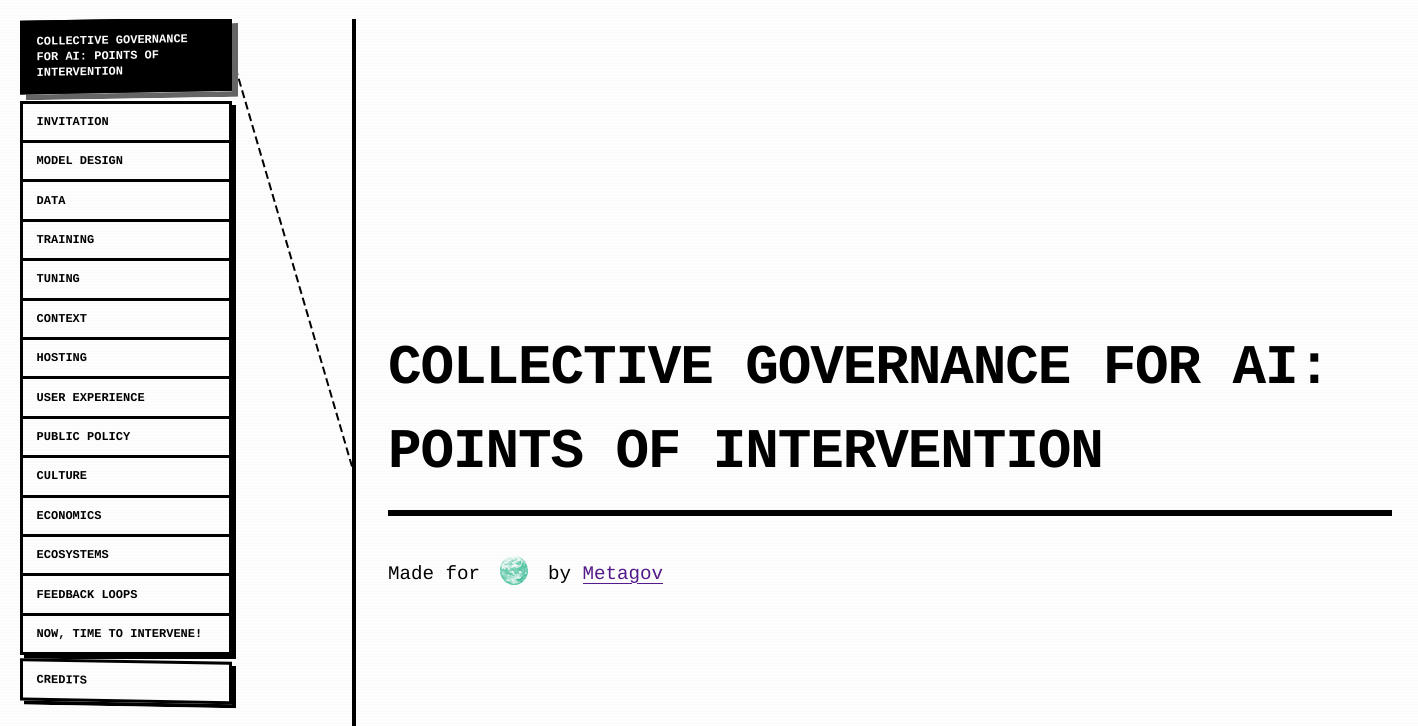
People often speak about AI as if it is one thing. It can seem like that when we use today’s most popular interfaces: a single product, packaged by an unfathomably big company. But that view is both misleading and disempowering. It implies that only the big companies could possibly create and control this technology, because only they can handle its immensity. But another orientation is possible.
A new publication from Metagov, edited by MEDLab director Nathan Schneider, breaks apart the AI stack and identifies ways that people can—and already are—reshaping it with collective governance.
January 22: Employee Ownership Lunch & Learn Event in Boulder
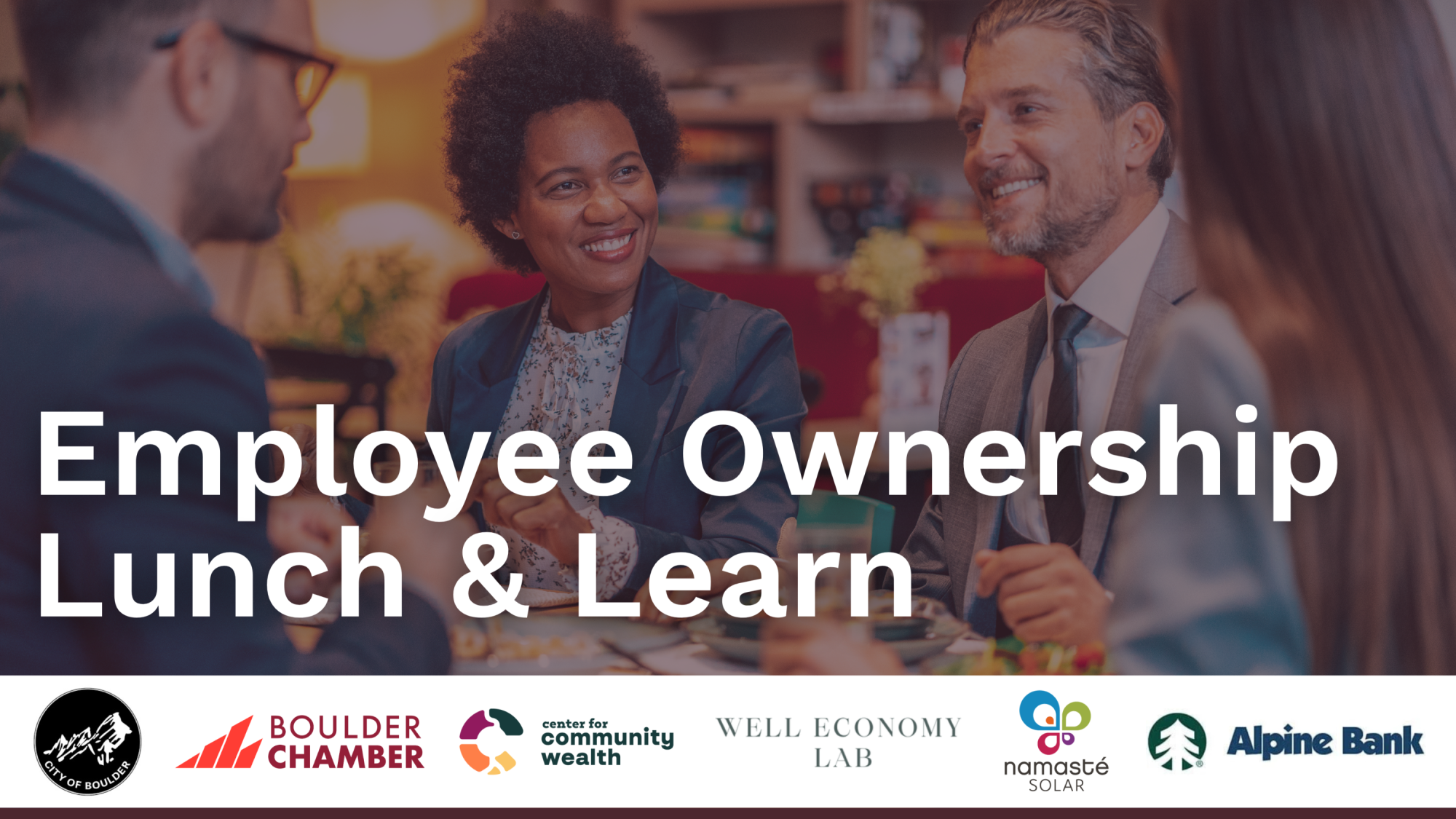
Join MEDLab associate director Júlia Martins Rodrigues, the City of Boulder, the Boulder Chamber, and its partners for an engaging Lunch and Learn designed for employers curious about employee ownership.
This Lunch and Learn offers a practical, employer-focused introduction to employee ownership, featuring expert insights, real-world examples, and time for discussion. Designed for business owners, leaders, and HR professionals, the session combines short presentations with a panel conversation and networking, helping you understand how employee ownership can support business continuity, workforce engagement, and long-term resilience.
New event series: Magic Mountain Talks
MEDLab, along with collaborators on and off campus, is helping to build a new event series around the intersection of literature and politics. The events take place at Trident Booksellers & Cafe, an employee-owned business. Our first event, with novelist Rachel Kushner, is already full, but you can join the email list to learn about future events.
Learn more and join the newsletter.
Get the Open Social Network Cookbook
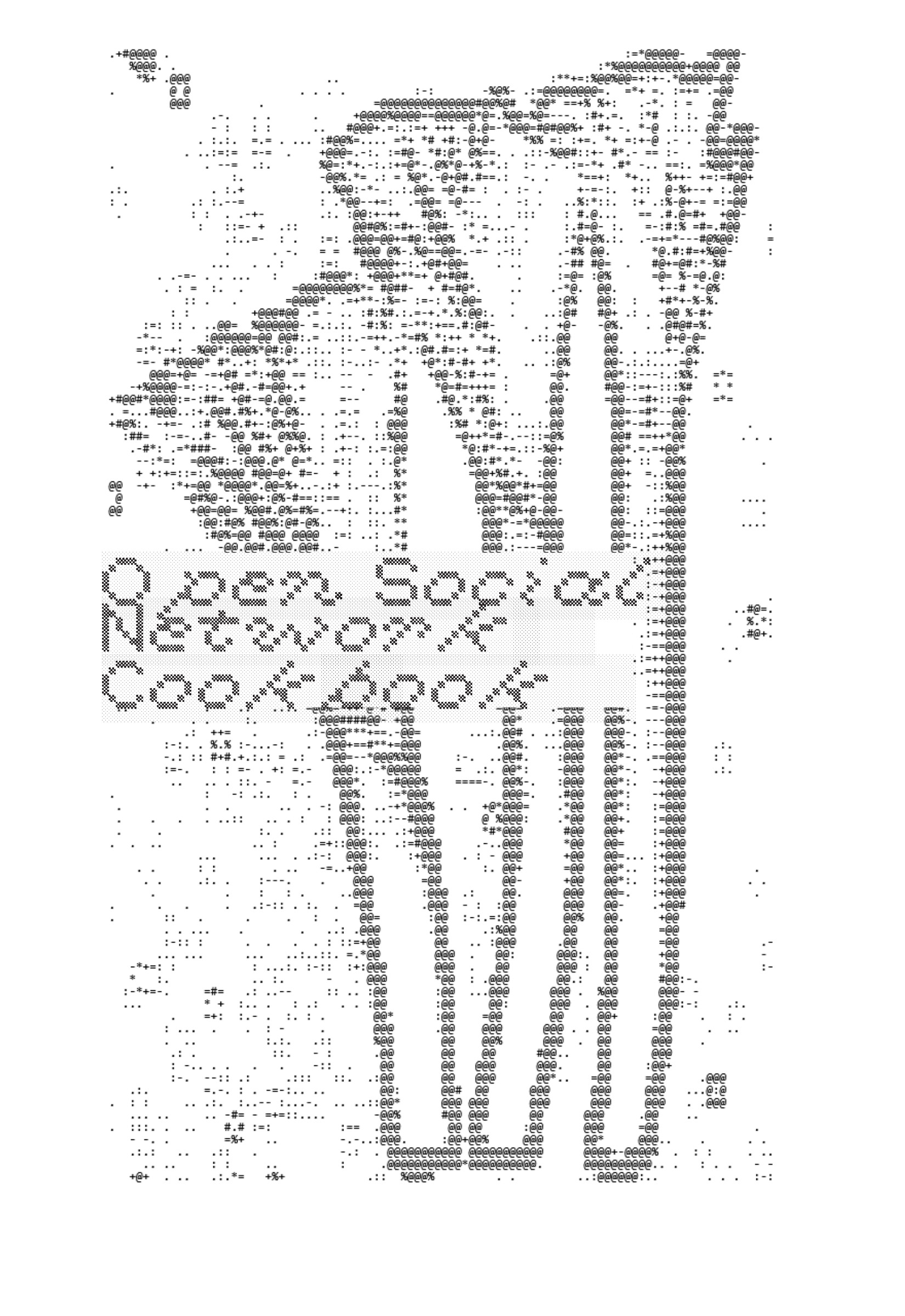 The Open Social Network Cookbook is the collective product of the Open Social Incubator, a cohort that MEDLab hosted from Fall 2024 to Spring 2025. At the heart of our work together was the question: How can the online communities that we participate in use tools that truly reflect our values?
Over the course of six months, the Open Social Incubator became a vibrant container for peer-to-peer knowledge sharing. We learned about the varying affordances of open social tools like Bluesky, Mastodon, and Matrix, and, as each member’s project developed, delved into the site-specific challenges of constituting new online communities.
Each participant in the Incubator has crafted a “recipe” for building a community on alternative social media. Their platforms and protocols of choice vary. If you don’t know a Raspberry Pi from an apple torte, don’t fret! As is the case with making a meal, some recipes require more advanced techniques, whereas others are easier for beginners—but with a little patience (and some encouragement from hungry friends), anyone can become a seasoned chef.
The cookbook includes stories, conversations, sample tech stacks, Unicode art, and more. Get it, print it, fold it, and share it!
The Open Social Incubator was organized by the Media Economies Design Lab at the University of Colorado Boulder thanks to generous gifts from Colorado ReWild and Mask Network Academy.
Podcast: What is the future of the sacred space in a digital world?
 MEDLab's radio show, Looks Like New, comes out the fourth Thursday of every month on KGNU, 88.5 FM, or online as a podcast. Last month's episode is now available:
On this month’s episode of Looks Like New, MEDLab’s Stephanie Abdalla speaks with Dr. Nesrine Mansour about rethinking architecture in the age of digital media and artificial intelligence. Their conversation explores how sacred spaces are being reimagined amid rapid technological change, alongside broader questions of authorship, agency, and bias in architectural imagination. They also discuss AI literacy and pedagogy, and the transformative potential of artificial intelligence within architectural practice and education.
Dr. Mansour is an Assistant Professor of Architecture at CU Boulder whose work sits at the intersection of architecture, spirituality, digital media, and AI. A former research fellow at the Princeton Center for Theological Inquiry, she has published widely across disciplines and is currently editing Religion and AI: Theoretical and Empirical Approaches, forthcoming with Bloomsbury.
Subscribe today on Apple Podcasts, Spotify, or directly through our website. You can also follow the show on Instagram, Mastodon, and X.
